
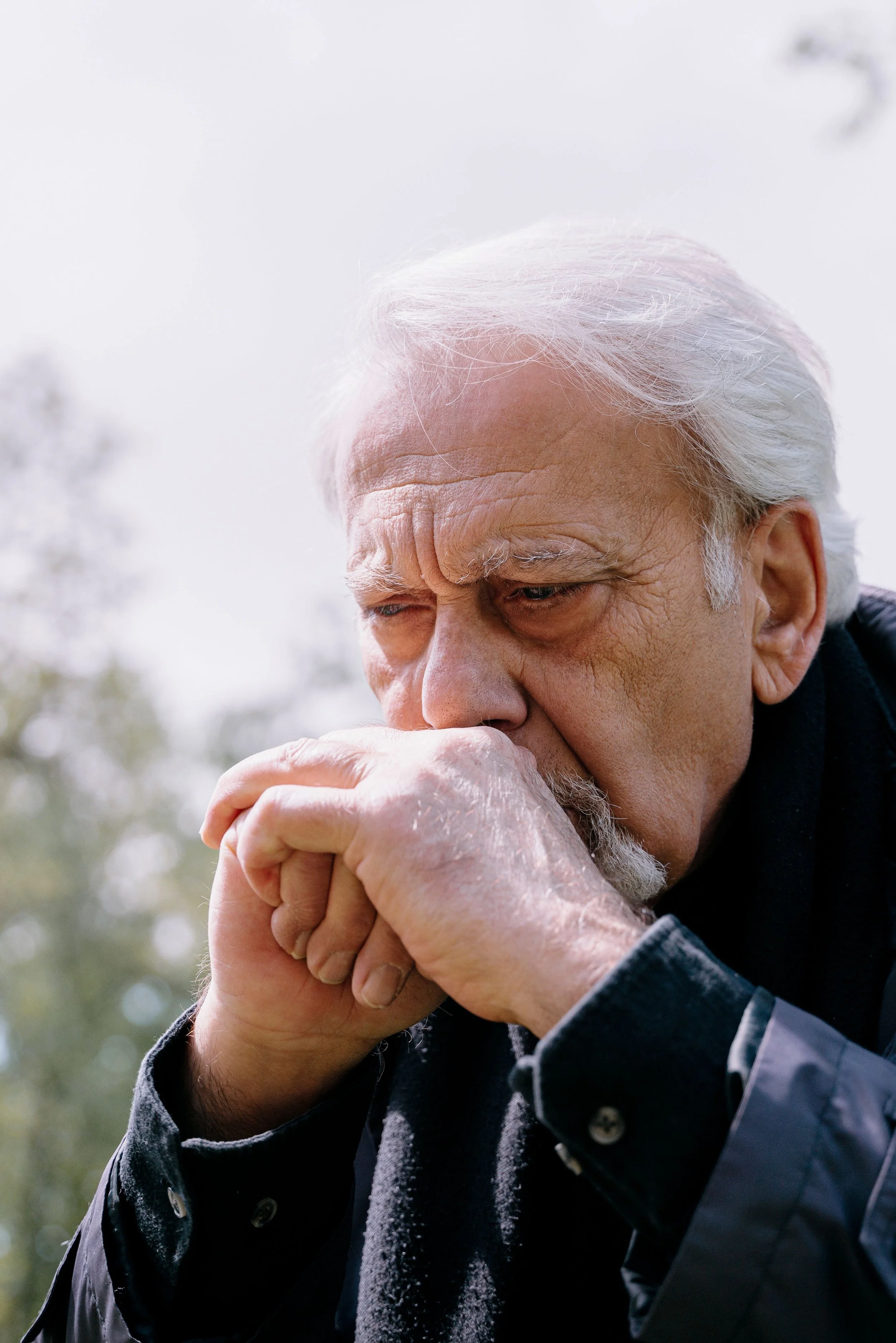
Depression is one of the most unrecognized challenges in senior living. Yet, geriatric depression does affect millions of people over 65. The losses that accumulate with age, retirement, physical decline, the deaths of friends and spouses, create real emotional pain, and depression is often dismissed as a normal result of aging and loss.
But sadness that persists, deepens, and interferes with daily functioning is not simply a side effect of a long life. It is a clinical condition that deserves attention and care.

Depression Looks Different in Older Adults
Depression in older adults rarely looks like the sad clichéd picture we have in our heads. Older adults are less likely to report feeling sad and more likely to describe physical complaints. Conditions such as chronic pain, fatigue, or digestive issues that have no clear medical cause are common. Instead of crying spells, you might notice them neglecting their daily routines or skipping doses of prescribed medication. They may even exhibit sudden memory lapses that look a lot like dementia but are actually signs of severe emotional distress.
Some more common signs to watch for include:
Difficulty concentrating or making decisions
Changes in sleep patterns, either sleeping too much or too little
Significant weight loss or gain without an intentional change in diet
Persistent feelings of worthlessness or excessive guilt
Slowed thinking, speech, or movement
Many of these symptoms also occur in other medical conditions or are caused by medication side effects. That means depression as the underlying reason is often missed.
What Makes Older Adults Vulnerable
Several factors increase the likelihood of depression later in life. Chronic illness may play a significant role. Conditions such as heart disease, diabetes, Parkinson’s disease, and chronic pain are all associated with higher rates of depression.
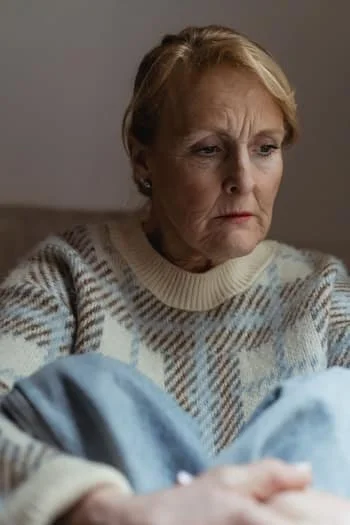
Loss of independence can also be destabilizing. Giving up driving, moving from a longtime home, or relying on others for daily tasks can trigger a profound grief response. For people who have spent decades defined by their competence and productivity, this change can be devastating.
Social isolation is another major risk factor. As people age, their social networks shrink when friends and partners pass away. As adult children move and mobility limitations arise, opportunities for connection reduce. Loneliness over an extended period has a measurable impact on mental health.
Finally, certain medications commonly prescribed to older adults list depression as a potential side effect. This includes some blood pressure drugs, corticosteroids, and sleep aids, just to name a few. A comprehensive medication review is sometimes a useful starting point when depressive symptoms arise.
Why Geriatric Depression Often Goes Untreated
Many older adults grew up in an era when mental health was not openly discussed. Seeking help for emotional difficulties may feel unfamiliar or even shameful. They might also rationalize depression as an expected consequence of aging rather than a treatable condition.
Family members sometimes unintentionally go along with this dismissal, often without realizing it. When a loved one seems withdrawn or has low energy, it can be easy to attribute the change to age. Rather than addressing something that warrants professional attention, the older adult gets dismissed outright.
Research shows that psychotherapy helps older people reduce depressive symptoms, improve functioning, and rebuild a sense of meaning and engagement in their lives. Depression therapy does not require someone to be in crisis. It is appropriate any time depression is interfering with the quality of life.
Seeking Support
Geriatric depression is not an inevitable event tied to getting older. With proper support, senior adults can find relief from symptoms and reconnect with the aspects of life that matter most to them.
If you or someone you care about is showing signs of depression, reach out to me for a consultation. Together, we can explore how therapy for depression can help you find yourself again.