
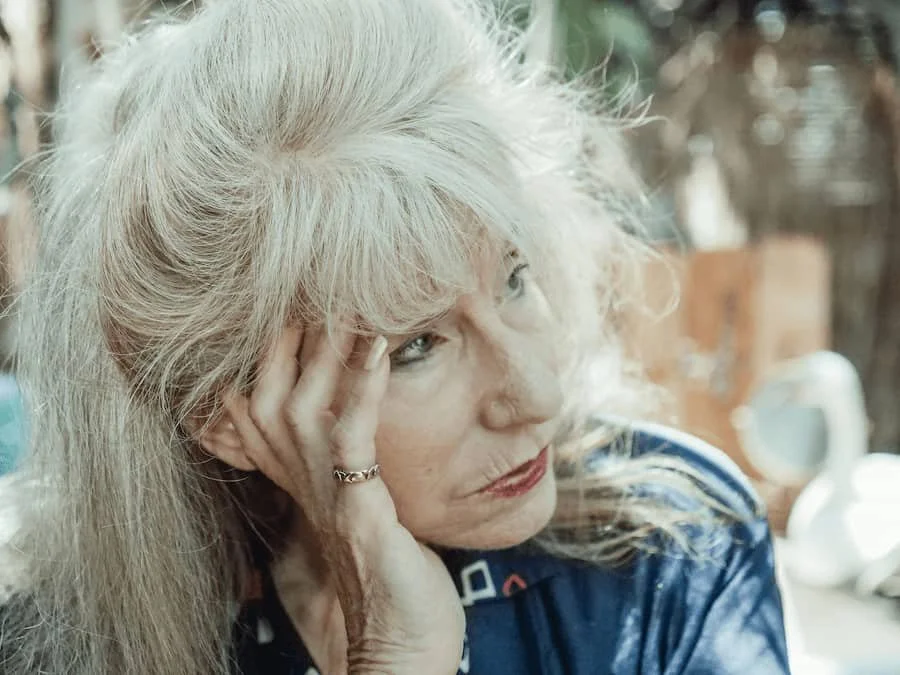
When you lose something, a loved one or a job, it changes how you view your world and even yourself. That intersection of loss and identity feels like waking up in a house where the furniture has been rearranged.
You might look in the mirror and struggle to see the person you used to be. Our roles and relationships often shape our sense of self. When a core piece of your life disappears, the foundation of your reality changes significantly.
The Impact of Loss on Self-Image
When you lose a loved one, a career, or a physical ability, you lose part of what defines you and may no longer know who you are. This confusion is normal in the grieving process. You are mourning the version of yourself that existed in that context.
You might notice that parts of your old life no longer feel familiar to you. Activities that once brought comfort or joy can suddenly feel empty. Social situations may become uncomfortable because you are no longer interacting from the same sense of identity you once had. Even everyday routines can feel strangely difficult, requiring more emotional and mental effort than before. Over time, you may begin questioning your values, priorities, your goals, or even the version of yourself you expected to become.

There is a deep connection between loss and identity because your brain builds networks based on consistency. When that consistency is lost, your mind must work overtime to reconstruct a cohesive story of who you are now. This process can be exhausting and often leaves you feeling unanchored.
Navigating the Internal Changes
As you navigate these changes, you may notice that your confidence wavers. It is difficult to feel secure when the pillars of your identity are on shaky ground. You might feel pressure to return to your old self, but that person lived in a world that no longer exists. Accepting that you are changing is part of finding balance again.
Professional support can be a vital resource during this time. Engaging in grief therapy provides a structured environment to explore changes in your self-perception. Rather than pushing you to “move on,” therapy creates space to understand what the loss has changed internally. It can help you express the confusion surrounding shifting roles and relationships while also supporting you in identifying strengths, interests, and coping strategies that still fit who you are now. Over time, this process can help you reconnect with parts of yourself that feel distant or uncertain.
Rebuilding a Cohesive Identity
Reconstructing your life involves a delicate balance of respecting what was lost while being open to what comes next. The relationship between loss and identity need not result in a permanent state of emptiness. Instead, it can lead to a solid, resilient sense of self. You learn to integrate the experience of loss into your history rather than letting it erase your future and your personality.
As you integrate these changes, you will likely discover new facets of your character. You might find you have more resilience than you thought. This growth does not minimize the pain of the loss. But it does allow you to function with a renewed sense of purpose.
Rediscovery
Loss can leave you feeling disconnected from the person you once were. Healing does not mean returning to an earlier version of yourself, but learning how to carry the loss while gradually building a sense of self that feels steady again.
Grief counseling sessions can provide support as you navigate that process, helping you make sense of the emotional and identity shifts that follow loss. If you feel stuck in this transition or uncertain about who you are becoming, reaching out for professional support can be an important step toward feeling more grounded and connected to yourself again.