

Grief is a natural response to loss. Yet uncommon expressions of grief often catch people off guard, in themselves and in others. Most people expect to feel sad, and cry, or to withdraw. But grief does not always follow that script, and seemingly out-of-place expressions of grief may appear strange or even alarming.

When grief does not look the way people think it should, it can lead to confusion. Some may have self-doubt and isolate themselves because of it. Knowing the full range of how grief actually appears can make a real difference in how people respond to their own experience.
When Anger Takes the Lead
One uncommon expression of grief is intense anger. People who are grieving may feel rage at the person who died, at medical professionals who could not help, at friends who say the wrong thing, or even at themselves. This anger can feel shameful, as though it is not an acceptable part of grief.
It is, though. Anger is often expressed when grief has nowhere else to go. It indicates the loss of something that held deep significance. Looking into the reasons behind that anger can help a person figure out what they are really feeling.
Feeling Nothing at All
Some people expect to be overwhelmed by emotion after a loss, only to feel almost nothing. This numbness is another uncommon expression of grief that can be deeply disorienting. People may worry they did not love the person enough, or that something is wrong with them.
Numbness is a protective response. The mind and body sometimes need time before they can process what has happened. The absence of tears does not mean the absence of grief. It is simply a time of protective reflection.
Physical Symptoms That Are Hard to Explain
Grief lives in the body, not just the mind. Some people experience:
Persistent fatigue that does not improve with rest
Chest tightness or difficulty breathing
Stomach pain, nausea, or changes in appetite
Headaches or a general sense of physical heaviness
These physical symptoms are the body’s way of registering loss, especially when the mind is still catching up.
Unexpected Relief
When someone dies after a long illness or when a painful relationship finally ends, there may be relief. This is one of the most misunderstood uncommon expressions of grief because people often feel guilty about it.
Relief and grief can coexist. Feeling relief does not mean a person did not care. It often means they watched someone suffer and wanted that suffering to end.
“Inappropriate” Laughter
Humor can emerge unexpectedly in grief. Some people find themselves laughing at a memory, making dark jokes, or feeling almost giddy at a funeral. This is often the nervous system finding a brief release from the weight of loss.
Grief shifts in unexpected directions and can change from moment to moment.
Why Grief Is Not Predictable
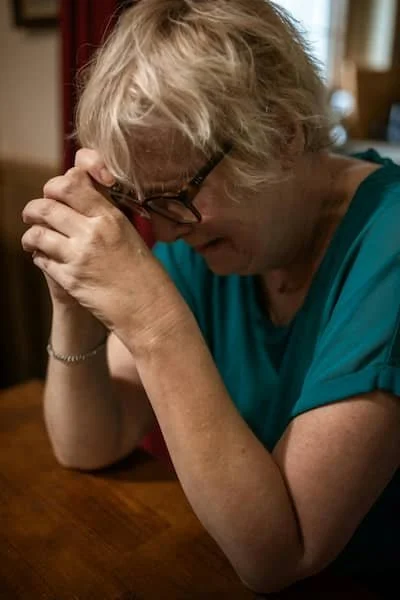
The idea that grief moves through fixed stages in a set order has been largely questioned in contemporary psychology. People grieve differently based on their attachment history, their relationship with the person lost, and their internal emotional landscape. Grief connects older layers of experience, including early losses, unresolved feelings, and unconscious patterns that shape how people respond to pain.
This is why two people can lose the same person and grieve in entirely different ways. However, neither is doing it wrong.
When Support Can Help
If grief feels like too much to handle, grief counseling provides a safe place to work through it without the fear of being judged. A therapist can help you make sense of what you are feeling and connect the present loss to deeper patterns.
When you are ready, contact me to learn more about grief therapy. We can work together to find an approach that respects your personal experience.